A research centre. Not a clinic in name only.
Panchasuddhi operates under a clinical mandate — assessment protocols, documented case records, and ethical review. Every practitioner holds dual training in classical Ayurvedic texts and contemporary research methodology.
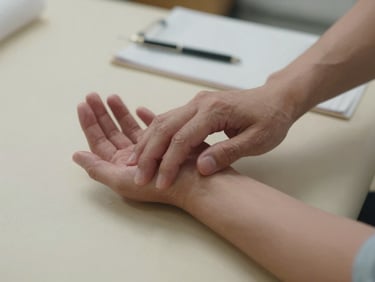
Credential first. Protocol second.
Each practitioner at the centre holds postgraduate qualifications in Ayurvedic medicine alongside documented research methodology training. Clinical competence is reviewed and updated against published outcomes.
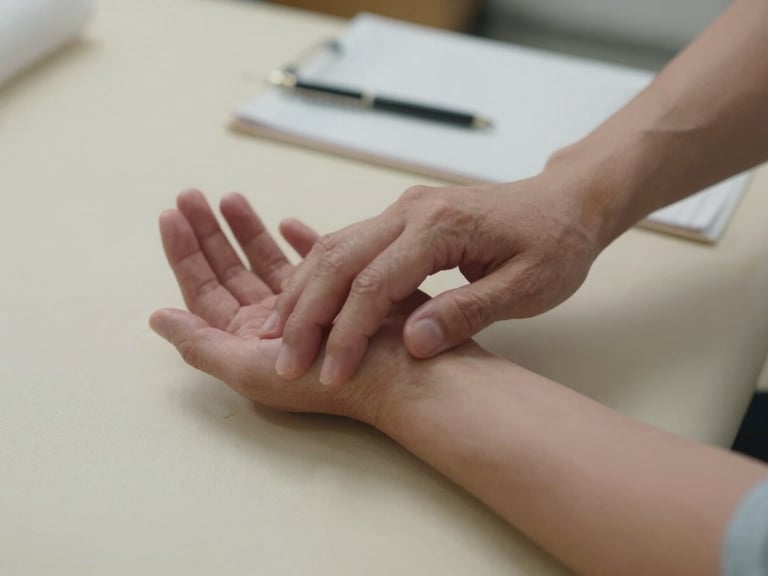
Dosha-specific diagnosis is conducted using classical nadi pariksha and contemporary constitutional mapping — not a questionnaire, a clinical assessment.
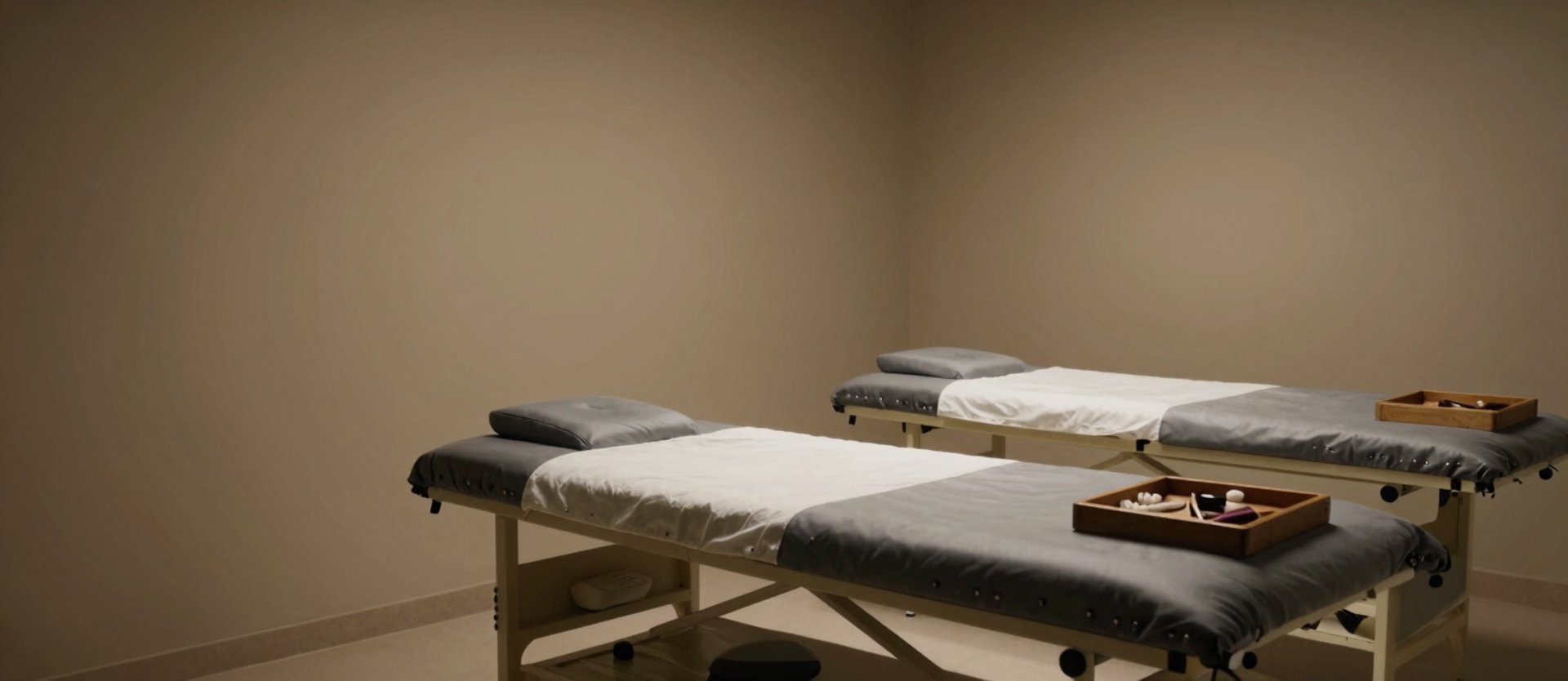
Built for clinical work, not comfort aesthetics.
Five-week intensive cycles
Case records and ethical review
Research-active clinical setting
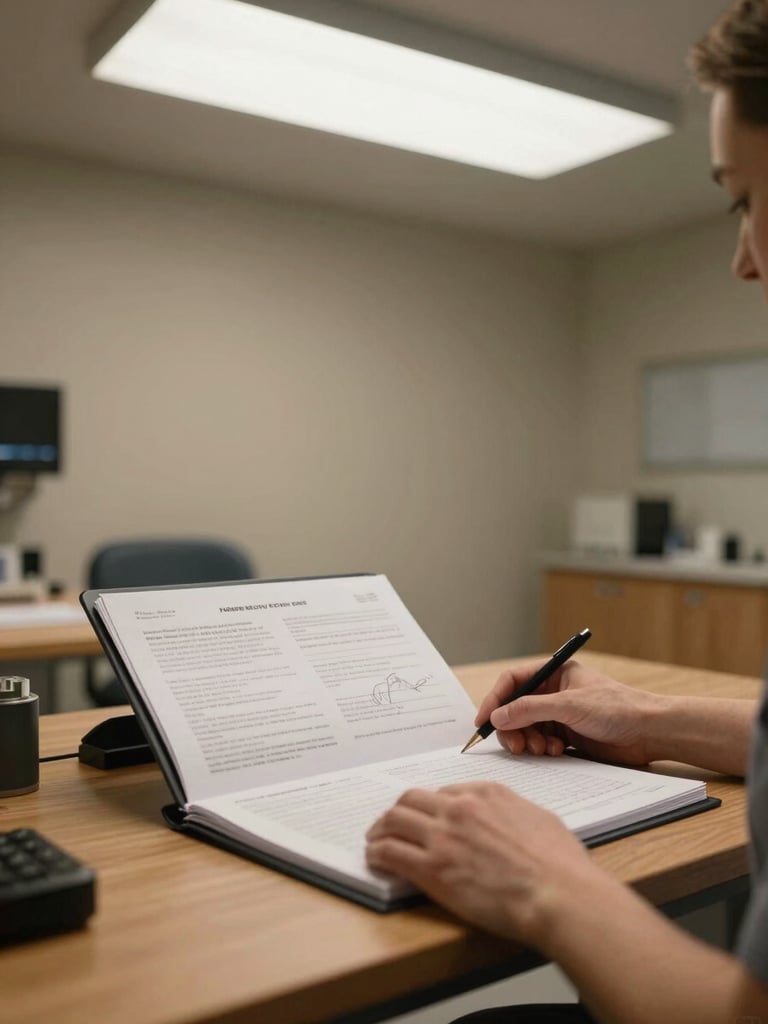
Every case is documented from first assessment through discharge. Records are maintained under institutional ethical review, accessible to referring practitioners.
Ongoing studies on root-cause metabolic and pain conditions run alongside clinical practice, producing outcome data reviewed against published Ayurvedic literature.
Panchakarma protocols run in structured five-week cycles with documented intake, treatment, and outcome phases — not open-ended sessions.
The first session is a proper assessment.
Constitutional mapping, diagnostic documentation, and a root-cause summary — completed in one structured appointment. Booking is by appointment only.